

Silicone casting
Short-run prototype copies and functional samples with near-injection part quality. Applications: prototype validation · functional testing · short-run pilots.
What is silicone casting
Soft tools for short runs
Silicone soft tooling copies a master into urethane parts — fast and cost-controlled for appearance, feel, and assembly checks between prototype and hard tooling.
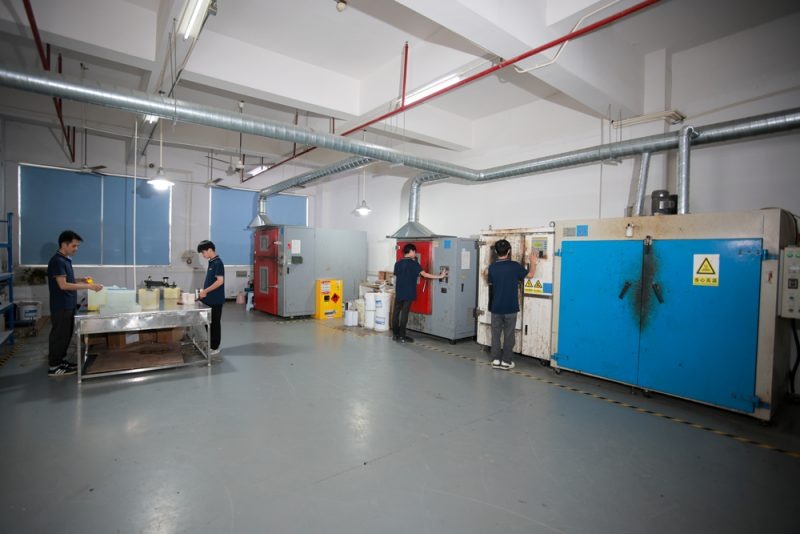
Our silicone casting services
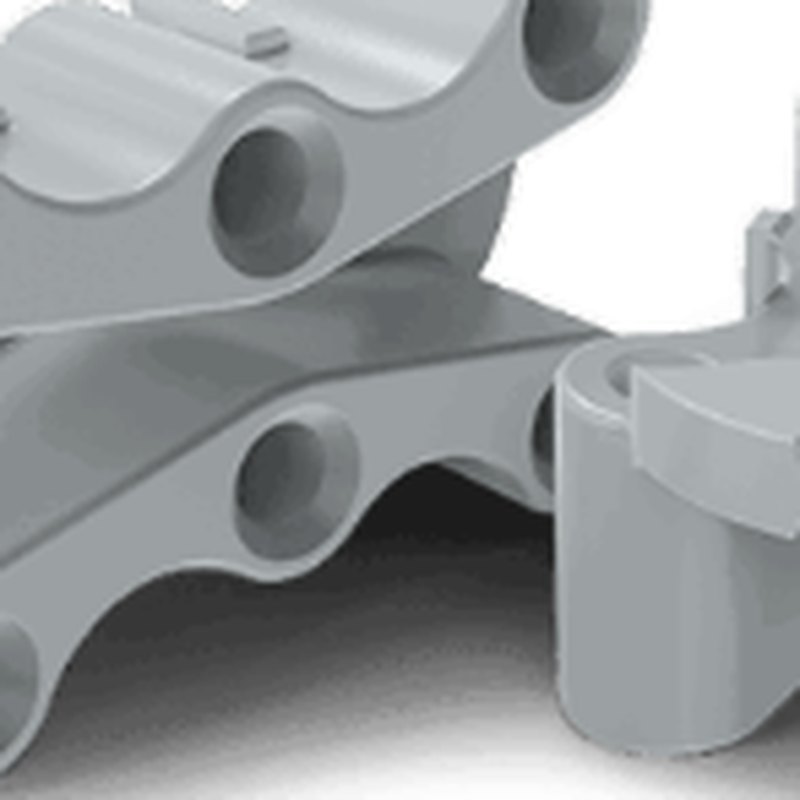
Master pattern
- Features:
- The foundation for appearance and accuracy
- Materials / method:
- SLA 3D printing / CNC machining
- Key metrics:
- Surface quality and parting plan
- Applications:
- Appearance samples; fit/assembly checks; prep for short-run copies
Core capabilities | Engineering-grade vacuum casting
Master patterns, silicone tools, vacuum casting, and appearance finishing with material selection and process review — for appearance samples and 10–200 piece short runs.
1. Auto-parse 2D/3D drawings
Parse STEP, IGES, STL, DWG, DXF and other mainstream formats to detect overall size, thin walls, holes, and assembly features — grounding master builds, parting plans, gate/vent design, and costing.
2. Vacuum casting DFM review
Assess parting and demold feasibility, gates/runners/vents, thin-wall and long-runner risk, shrinkage/distortion, and bubble/surface defects — with early structure and process advice for higher first-pass yield and lot consistency.
3. Material options & multi-version quotes
Compare standard / tough / clear / high-temp PU resins by use case (appearance/function/heat/clarity), quantity, and lead time — with appearance grades and finishing stacks to choose from.
4. Engineer review + appearance QC
Engineers review masters and parting plans; production controls casting parameters, bubbles and demold, surface defects, and lot consistency so appearance and fit meet project needs.
5. Near-injection appearance & fit
Silicone tools and vacuum casting deliver near-injection texture and detail, with paint, blast, print, and dye finishing for show samples, channel reviews, and short-run delivery.
Silicone casting materials
Polyurethane
Tunable hardness and toughness for structural and appearance short runs.
Grades
Silicone casting service process
1. Upload drawings
- 3D/2D supported: STEP, IGES, STL, DWG, DXF, PDF
- Recommended: 3D model + appearance needs (color/texture/clarity) + quantity
Lead time
- Initial parse within 1–5 minutes after upload
2. Engineering review & quote
- Assess parting, demold, gates/vents, thin walls, and bubble risk
- Material options (standard/tough/clear/high-temp) and appearance grades
Lead time
- Quotes for standard parts within 30–120 minutes
3. Master pattern (3D print / CNC)
- SLA or CNC masters matched to appearance and accuracy needs
- Polish / blast master finishing when required
Lead time
- Typically 1–3 days (by structure and size)
4. Silicone tooling & vacuum casting
- Build silicone tools, vacuum degas, and cast
- Clear / tough / high-temp resins and insert molding supported
Lead time
- Typically 2–7 days (by quantity and finishing)
5. Finishing & delivery
- Deflash/trim, blast, paint, print, dye, and more
- Agreed packing and shipping — domestic and international
Lead time
- Domestic 1–7 days; international express by destination
Silicone casting industry solutions
Vacuum casting is widely used for appearance prototypes, short-run trials, show samples, and channel reviews — especially when you need near-injection looks in small lots. We support clear, tough, high-temp, and insert-molded builds for consumer electronics housings, medical appearance parts, robot structures, automotive interiors, and more.
- Appearance & show samples
- Spare-part copies & short-run delivery
- Assembly & snap-fit testing
- Clear / appearance validation
- 10–200 piece short-run trials
- Medical / consumer electronics housings