
Our advantages
Craft precision
Strong on demanding prototypes and appearance parts, organized to common international tolerance and surface standards. Painting, silk-screen, plating, anodizing, and machining are sequenced so appearance and fit stay consistent.
Every step aims for repeatability: parameters logged, samples compared, critical sizes rechecked — so “zero-gap fit” is a verified result, not a slogan.
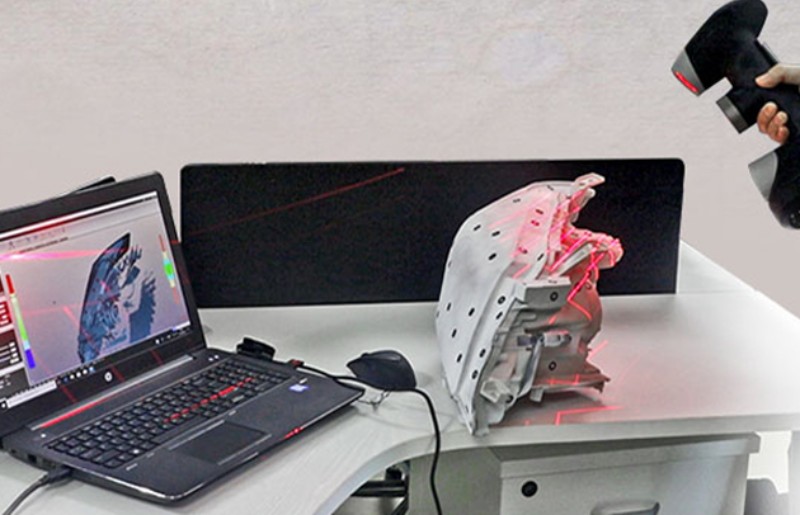
Innovative R&D Manufacturing System
3D printing
Engineering plastics, carbon fiber, aluminum, stainless, and titanium — additive builds for complex geometry and fast validation.
CNC machining
Precision cutting in metals and plastics, from prototypes to production-grade parts with controlled tolerance and finish.
Urethane casting
Silicone soft tooling for low-volume plastic parts with near-production feel and appearance.
Rapid tooling & injection molding
Aluminum and bridge steel molds for short-run injection — shorter path from tool to pilot.
Metal forming
Sheet metal, stamping, extrusion, laser cutting, casting, and forging in one coordinated path.
Precision molds
Mold design, build, and injection together — bridging samples into stable volume production.
Surface treatment
Grinding, polishing, paint, silk-screen, anodize, plating, and more — aligned appearance and protection.
R&D design
Industrial design, structure optimization, and reverse modeling up front so process paths are proven early.
Rich Surface Finishing Processes
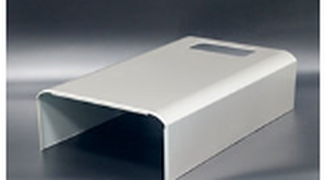
Anodizing
Electrochemical oxide films on aluminum and alloys improve wear and corrosion resistance, with optional color to match product exteriors and brand tones. Uniform thickness suits structural and visible parts.
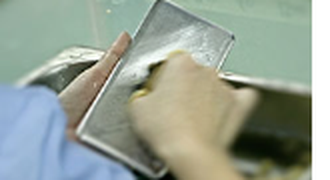
Grind & polish
Grinding and polishing tune roughness and gloss, remove tool marks and burrs, and deliver bright or specified matte looks — often as prep before plating or paint.
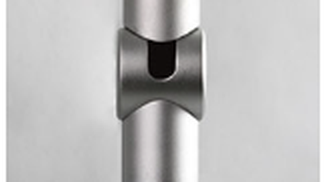
Bead blast + anodize
Bead blasting first textures the surface evenly, then anodizing forms a dense clear film. Combines fine matte metal feel with corrosion protection on aluminum parts.
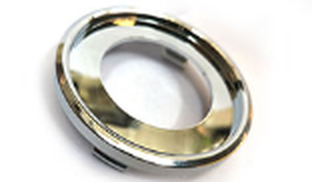
Room-temp plating
Metal deposits from room-temperature baths for mirror or bright metallic looks. Friendly process windows for decorative parts that need high-gloss metal appearance.
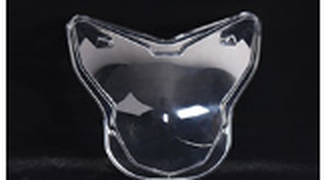
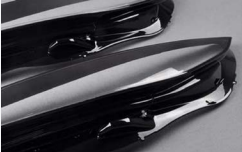
Vapor clear
Vapor polishing / clear treatment for transparent parts improves clarity and surface smoothness — useful for lenses, lamp covers, and see-through windows.
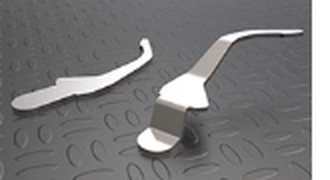
Passivation
Chemical or electrochemical passivation forms a stable film that lowers surface activity and improves corrosion resistance — common on stainless structures and fasteners.
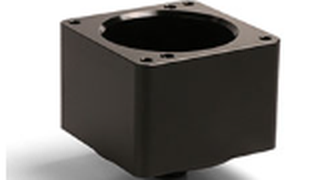
Hard anodizing
Thick hard-anodic films raise wear resistance, heat resistance, and insulation. Suited to high-wear contact faces and aluminum parts that need harder protection.
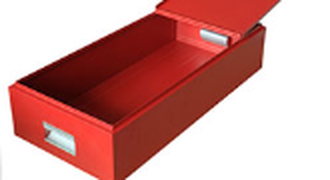
Powder coating
Electrostatically applied powder cures into a tough, impact-resistant film. Broad color and texture options fit frames, covers, and structural exteriors that need durable protection.
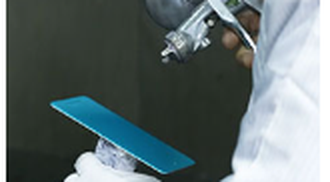
Spray painting
Even spray films cover substrate color and fine tool marks for matte, satin, or gloss looks. Mature process windows support low-volume color changes and fast appearance samples.
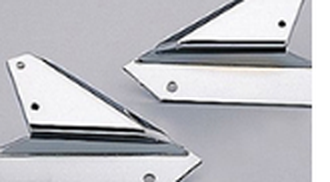
Chrome plating
A bright chromium layer delivers strong mirror-metal look with corrosion and wear benefits. Fits decorative bright faces, trim, and parts that need high reflectivity.
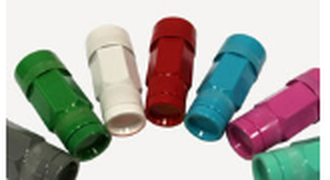
E-coating
Charged coating particles deposit evenly in an electric field with good coverage and controllable color. Suits complex shapes needing uniform primer or color protection.
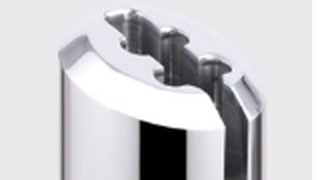
Electropolishing
Anodic dissolution levels and brightens metal, reducing micro-burrs and soil attachment. Common on stainless parts that need a clean, bright finish.
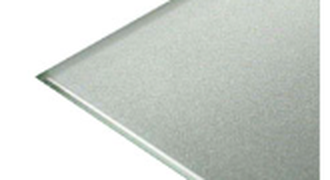
Sandblasting
High-speed media cleans and uniformly textures the surface, removes tool marks and scale, improves coating adhesion, or stands alone as a fine matte / frosted finish.
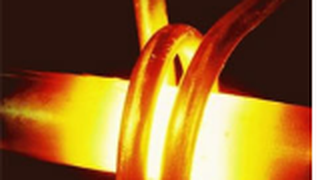
Heat treatment
Heating, soaking, and cooling adjust hardness, strength, and microstructure — improving service performance or preparing stock for machining and finishing.
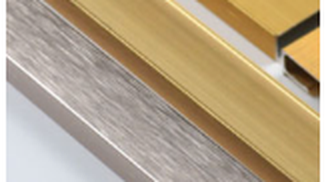
Brushed finish
Directional abrasion creates continuous grain that emphasizes metal texture and softens fingerprints and fine scratches. Common on aluminum and stainless, often with anodize or clear protection.
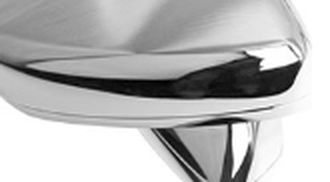
Electroplating
Electrolytic nickel, chrome, and related deposits create mirror or satin metallic looks with corrosion protection. Thickness and adhesion stay controlled for exposed metal details.
Complete Quality Delivery System
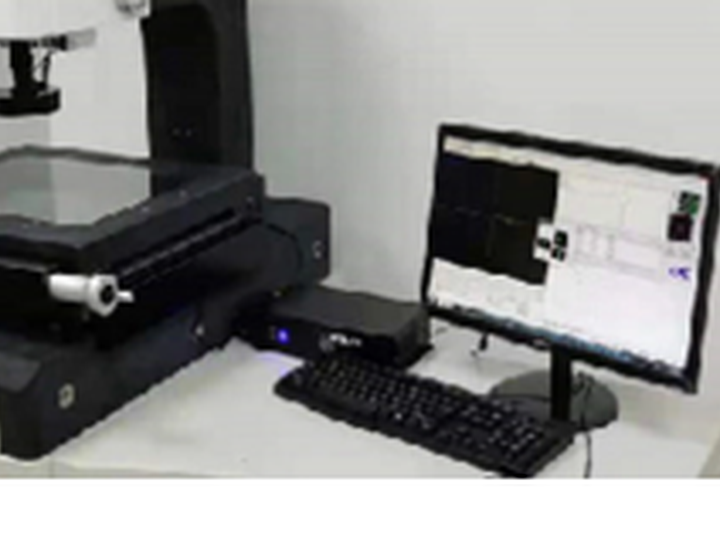
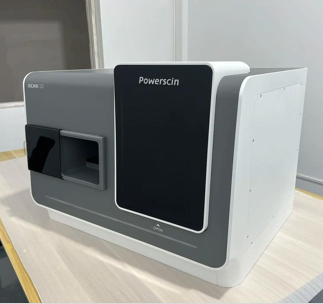
Vision dimensional inspection
2D vision measurement covers planar contours and hole positions for sampling and quick rechecks. Paths are repeatable and results enter QC records — supporting critical sizes on appearance and structure parts.
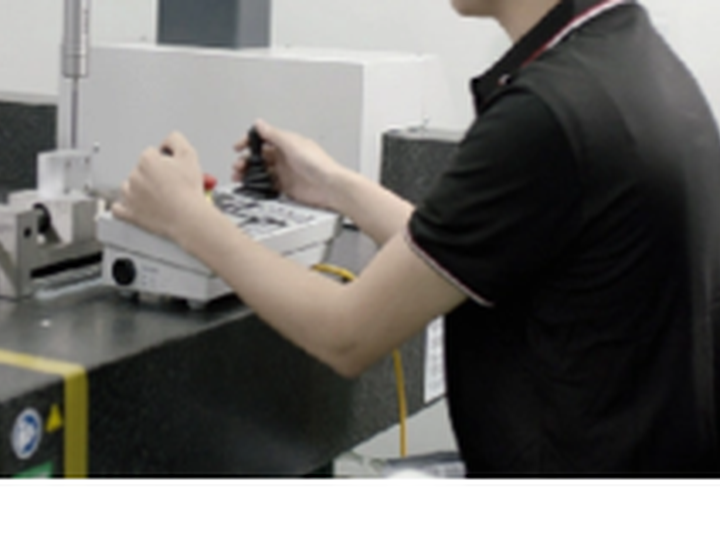
CMM precision inspection
Coordinate measuring validates GD&T and complex surfaces, with critical features sampled to the drawing. Traceable data and exception reviews help confirm assembly-related sizes before shipment.

Routine checks & outbound QC
Calipers, height gauges, and shop tools cover incoming and in-process sampling; finished parts are checked for appearance and key sizes before packing. Lead time and QC records stay transparent to cut post-delivery back-and-forth.
Industries
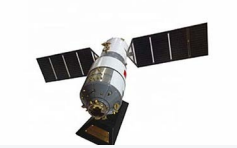
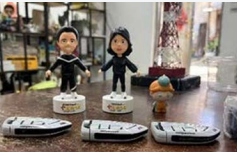
Prototyping and low-volume capability organized by industry. Click a tile for details and a quote CTA — full case galleries continue to ship when approved.